September 30, 2026
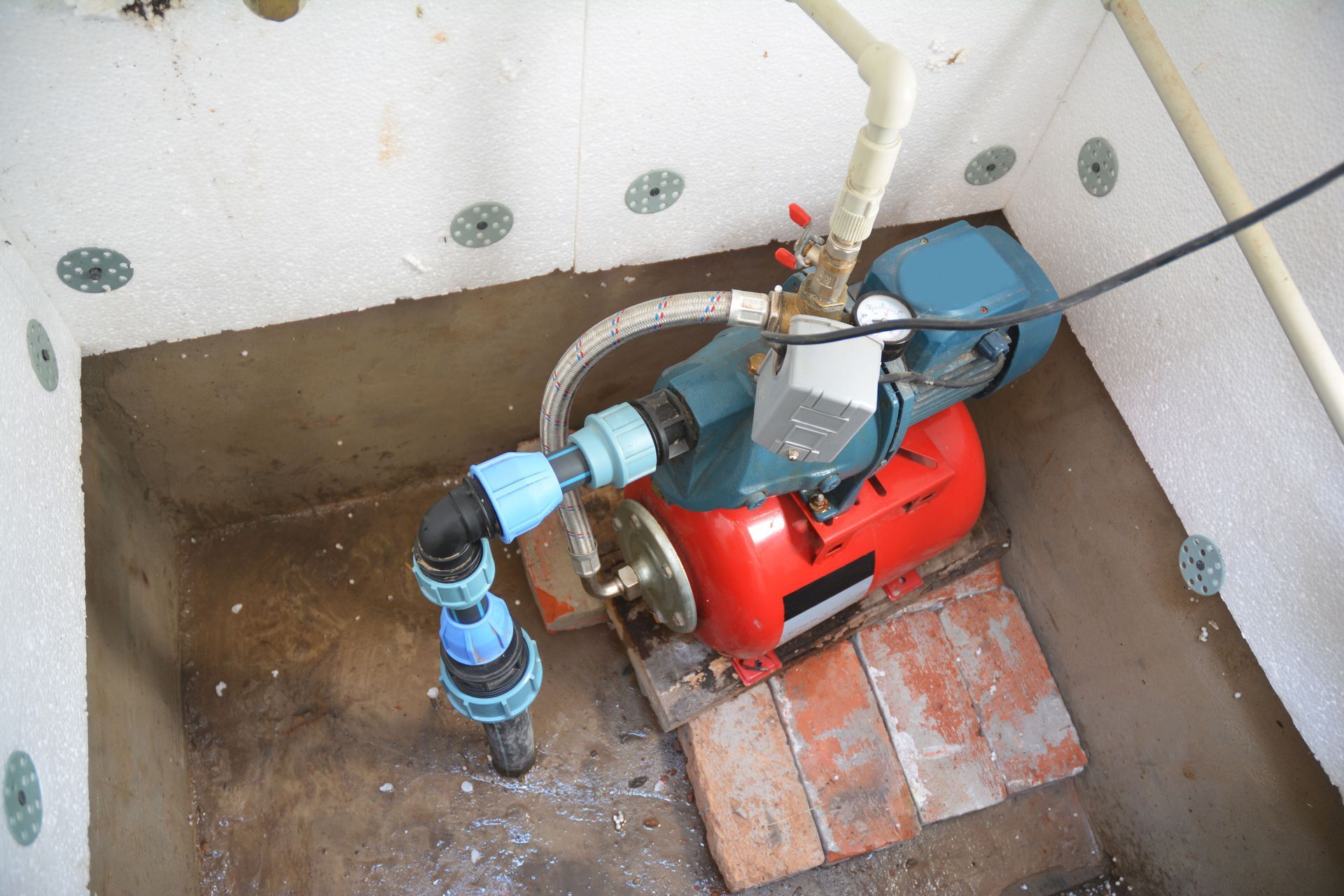
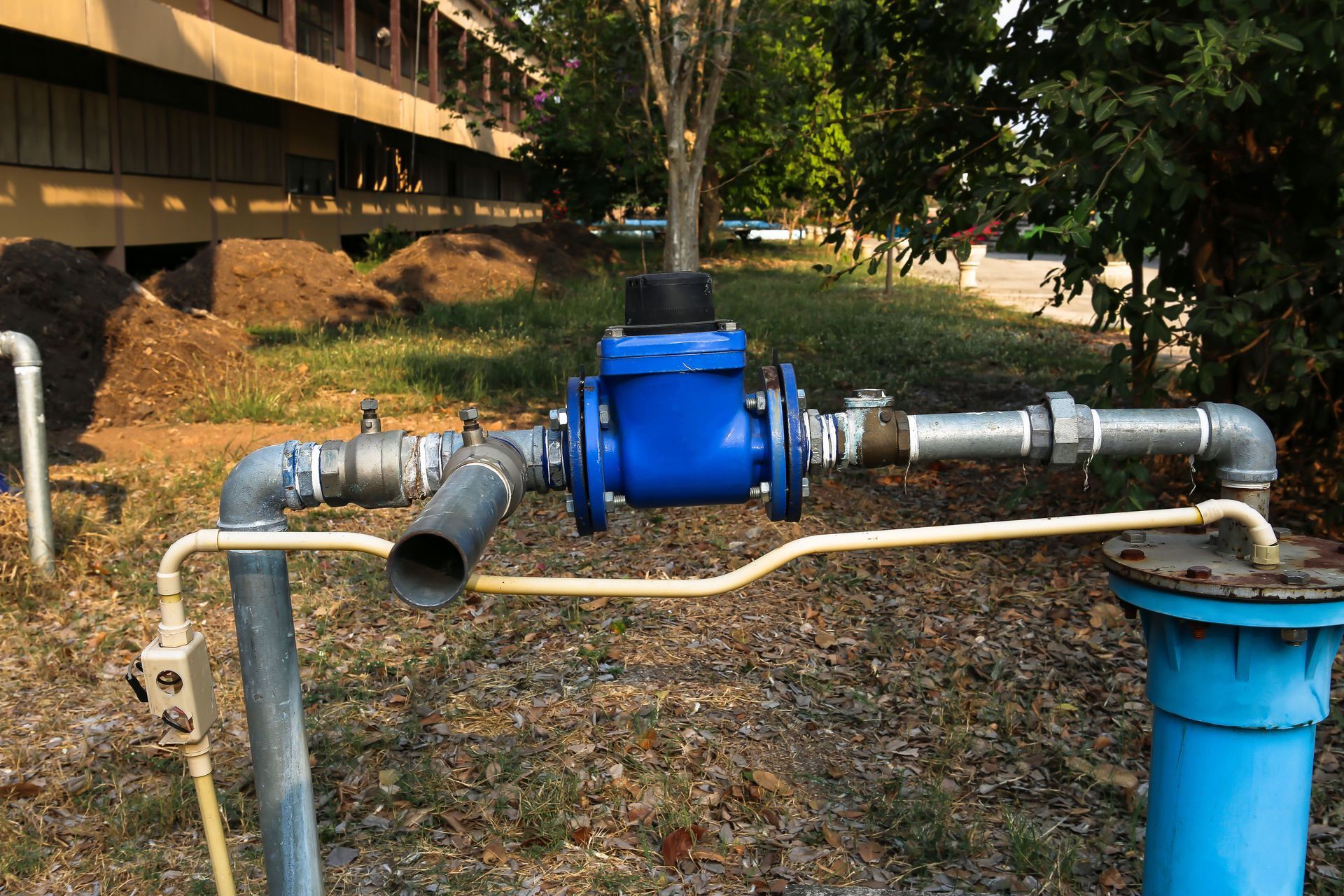
A water well system plays an important role in supplying water to a property, and the pump is a key part of keeping that supply moving. Like other mechanical equipment, a pump can wear down over time based on how often it operates, the condition of the water, and several other factors. Regular attention can help identify changes in performance before they become more noticeable or disruptive. This article explains the main factors that can affect the lifespan of a well pump and why seeking professional help can be useful when performance changes.
Considering Water Quality
The quality of the water being drawn from a well can affect equipment over time. Water may contain naturally occurring minerals, sediment, sand, or other materials that can pass through parts of the system. Depending on the conditions, these materials may contribute to wear or affect how components operate. Sediment can be especially important when it enters moving parts. Fine particles may create additional friction or contribute to buildup in areas where water needs to move freely. Over time, these conditions can make the system work harder than it normally would.
Water quality can also change as conditions around a well change. Seasonal shifts, changes in groundwater conditions, or other factors may affect what is present in the water. Seeking professional help when water quality or pump performance changes can help identify whether the two issues may be connected. Changes in water appearance, pressure, or system performance may provide a reason to have the system evaluated. Addressing changes early can help identify whether water conditions are affecting equipment performance.
Managing Frequent Cycling
Frequent cycling occurs when a pump starts and stops repeatedly within a relatively short period. This pattern can place additional strain on the electrical and mechanical components responsible for starting and stopping the equipment. If frequent cycling continues for an extended period, it may contribute to premature wear. Several conditions can contribute to this pattern. Changes in water demand, problems within the pressure system, or other equipment concerns may cause the pump to cycle more often than expected. Because multiple parts of a well system can influence how frequently it runs, the source of the problem may not always be obvious.
A professional evaluation can help determine whether unusual cycling is occurring and what may be contributing to it. Addressing the underlying condition can reduce unnecessary operating stress and help support the expected lifespan of the well pump. Paying attention to how often the system starts and stops can help identify changes in its normal operation. A noticeable increase in cycling may indicate that the system should be evaluated before the added strain leads to further concerns.
Monitoring Electrical Conditions
Electrical components are another factor that can influence pump longevity. A pump depends on a consistent electrical supply to operate properly. Voltage problems, wiring concerns, or other electrical conditions may affect how the equipment performs. Electrical stress can place additional demands on motors and related components. Over time, repeated exposure to unsuitable electrical conditions may contribute to premature failure. This is one reason changes such as unusual sounds, inconsistent operation, or unexpected shutdowns should not be ignored.
Seeking professional help can provide a safer way to evaluate electrical and mechanical concerns. A qualified professional can examine the system and determine whether electrical conditions may be affecting performance or contributing to shortened equipment life. Electrical concerns may not always be obvious during normal operation. Changes in performance or repeated interruptions can provide useful signs that the system should be evaluated by a professional.
Evaluating Installation Conditions
The way a pump system is installed can also affect its long-term operation. Proper placement, appropriate system components, suitable connections, and correct operating conditions all play a role in how equipment performs over time. An installation that does not match the conditions of the well may create unnecessary strain. For example, the depth of the water source and the distance water needs to travel can affect the demands placed on the equipment. The overall design of the system should account for these conditions.
As a system ages, its operating environment can change as well. A pump that has operated normally for years may begin showing signs of wear as components age or conditions change. Seeking professional help can provide a clearer assessment of whether the installation and current operating conditions remain appropriate. Changes to the property or water system can also affect how the equipment operates. When system conditions change, seeking professional help can help determine whether the existing setup continues to meet current demands.
Recognizing Age and Wear
Even when a system operates under favorable conditions, mechanical components eventually experience normal wear. A pump that has been operating for many years may have more wear than a newer system, especially if it has been used frequently. Age does not always mean that equipment will stop working immediately. Instead, performance may gradually change. A property owner may notice differences in water pressure, unusual sounds, longer operating cycles, or other changes. These signs can indicate that the equipment should be evaluated.
The age of the system can also affect decisions about repairs or replacement. When several components have reached the later stages of their expected service life, continuing to address individual problems may not provide the same long-term results as evaluating the system as a whole. Keeping track of the system's age can provide helpful context when performance begins to change. Older equipment may require closer attention as normal wear affects its components over time.
Identifying Changing Performance
Changes in performance can provide useful information about the condition of a water well system. A drop in water pressure, inconsistent water delivery, unusual noises, or repeated interruptions can indicate that something has changed. These symptoms do not always point to one specific cause. A problem may involve the pump, electrical components, pressure-related equipment, the water source, or another part of the system. Because several factors can produce similar symptoms, a proper evaluation can help identify the likely source.
It is also helpful to pay attention to gradual changes instead of waiting for a complete failure. Early signs may provide an opportunity to identify developing concerns before they become more disruptive. Seeking professional help can help determine whether the well pump is contributing to the change or whether another part of the system should be evaluated. Even small changes can be useful when comparing current performance with how the system normally operates. Noticing these differences early can make it easier to identify when professional attention may be appropriate.
Eventually, some pumps need replacement due to age, operating conditions, water quality, usage, or component wear. According to HomeGuide, replacing a well pump can usually take about three to six hours. The actual time depends on the system and equipment condition, so seeking professional help can clarify what to expect. A water well system can last for many years when operating conditions remain suitable. Usage, water quality, cycling frequency, electrical conditions, system design, and age can all affect how the well pump performs. Since no single factor determines lifespan, paying attention to performance changes and seeking professional help can help identify concerns. When you need help with evaluating your well pump, contact Hunter's Valley Services LLC to discuss your system and determine the next appropriate step.