July 31, 2026
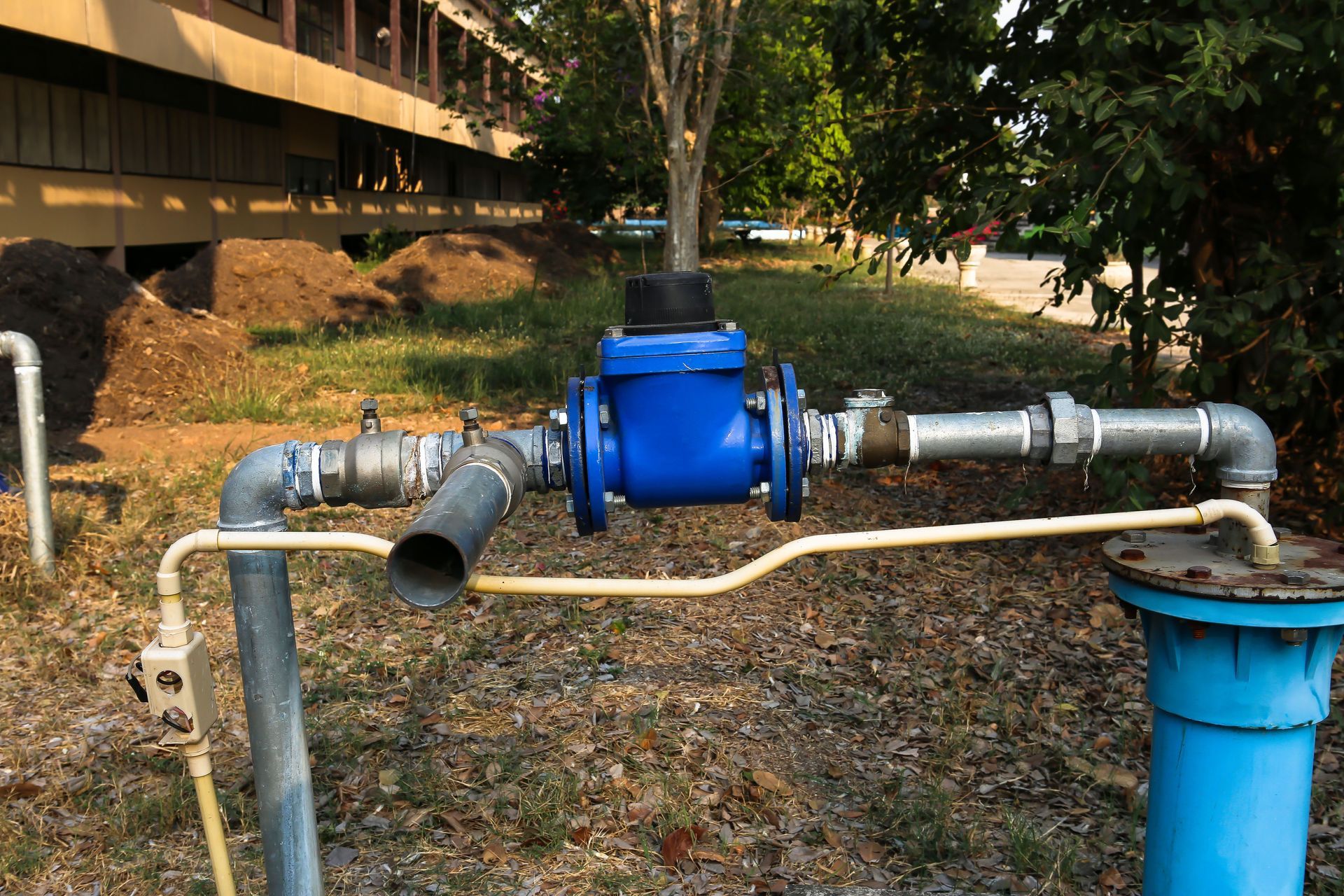
Water well pumps are critical components in ensuring a steady supply of water for residential, agricultural, and commercial purposes. They function as the linchpin in extracting groundwater and delivering it to where it’s needed most. A failing water well pump might result in a myriad of issues, including reduced water pressure, erratic water supply, and rising energy bills. According to HomeGuide, once installed, a well can last more than 40 years when properly maintained, though the pump typically needs replacement every 10 to 15 years. Regular maintenance and timely intervention are key in prolonging the lifespan of a pump and avoiding the hassles associated with its failure.
1. Reduced Water Pressure
Understanding Water Pressure Basics
Water pressure is the force that propels water through pipelines, crucial for effective water delivery to fixtures and appliances throughout a household. Insufficient pressure can lead to inefficient water flow, making common tasks challenging. When a water well pump starts to fail, it can struggle to maintain adequate pressure, leading to reduced performance. Understanding how pressure is maintained helps in diagnosing early signs of a failing pump.
The water pressure in your home depends on a balance of several factors, including the efficiency of your pump, pipe diameters, and overall system architecture. When these components work in harmony, they create a seamless flow that supports everyday activities. However, even slight malfunctions in the pump can disrupt this balance, causing a pressure drop. This reduction can be gradual or sudden, each with its unique set of complications. Monitoring pressure levels regularly can help detect problems before they escalate.
Impact on Showering and Personal Hygiene
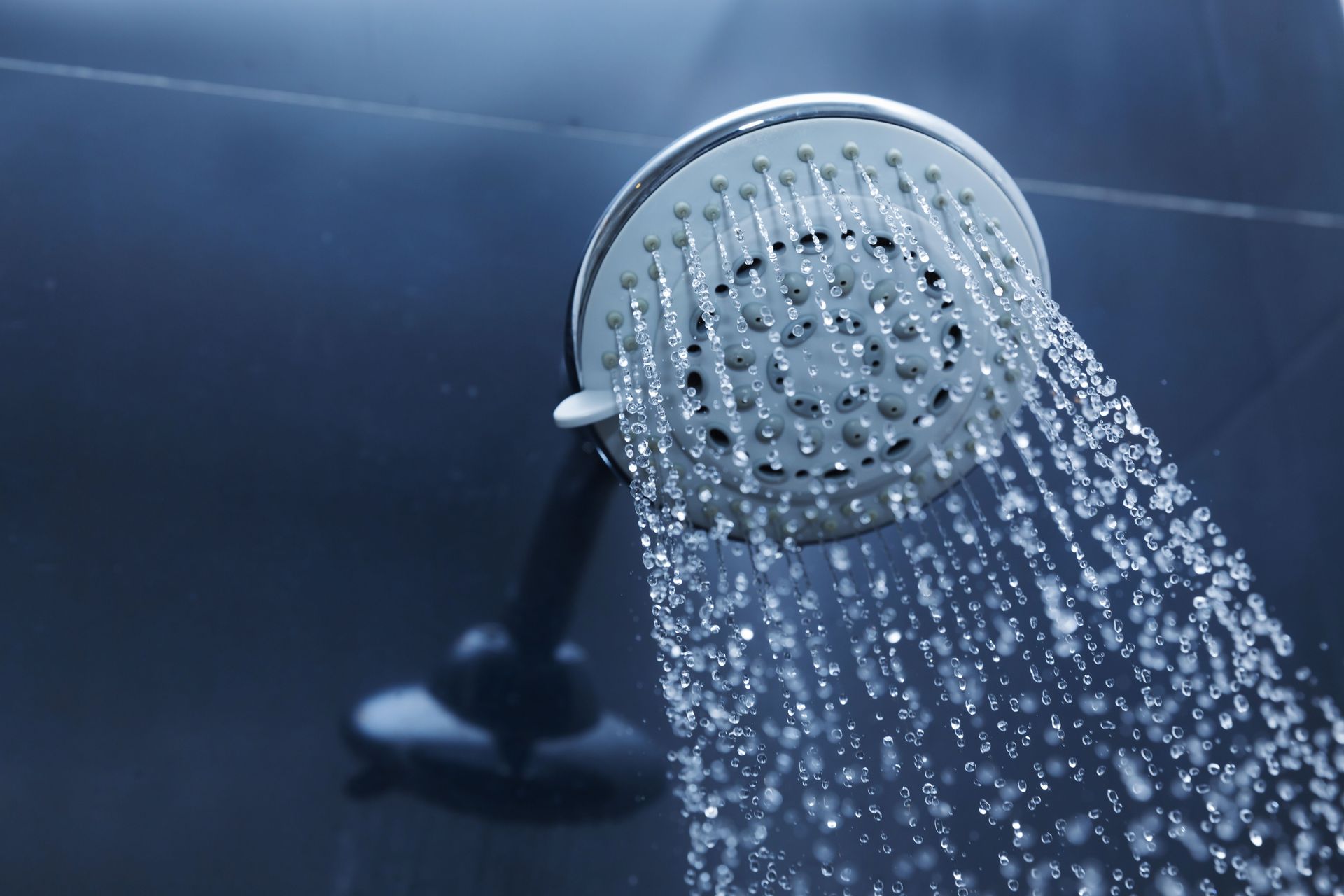
Low water pressure significantly affects daily personal hygiene routines, particularly in showering. When water trickles instead of flows, rinsing shampoo and soap becomes time-consuming and ineffective. Users often resort to lengthier showers to achieve desired cleanliness, inadvertently wasting water. This domino effect stems directly from the inability of a struggling pump to meet pressure demands. Consequently, individuals may experience frustration and reduced quality in personal hygiene experiences.
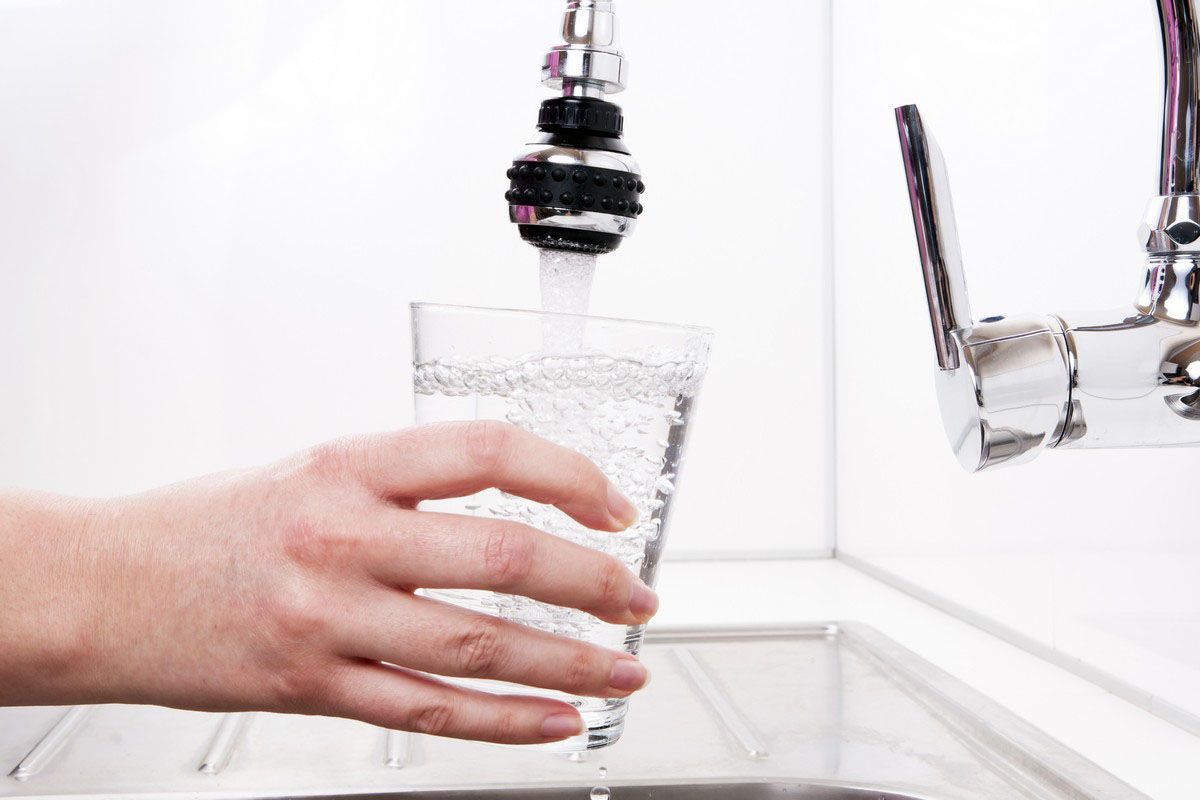
Aside from shower-related inconveniences, other elements of personal hygiene are equally affected. Tasks such as tooth brushing, face washing, and hand cleaning require efficient water flow to ensure thorough rinsing and effectiveness. The absence of adequate water pressure necessitates longer water usage, which increases wear on the pump. Families with multiple members may further experience scheduling conflicts and limited access, exacerbating inconvenience. This cascade of effects from a failing pump underpins how integral proper water pressure is to daily routines.
Effects on Cleaning and Dish Washing
Cleaning and dish washing are integral domestic activities that heavily rely on reliable water pressure. When pressure is inadequate, these tasks take longer and become more labor-intensive. Dishes may emerge poorly rinsed, leading to the potential spread of bacteria and germs in the home. Additionally, cleaning floors, countertops, and other surfaces becomes a laborious process requiring additional physical effort. A failing pump translates into inefficiencies that cascade through every cleaning task.
2. Inconsistent Water Supply
Primary Causes of Supply Inconsistencies
Inconsistent water supply often arises as a direct result of mechanical issues within the pump system, causing it to function sporadically. Pumps that are on the verge of failure might deliver adequate water one moment and none the next, disrupting essential daily activities. Blockages, wear and tear, and electrical component failures often culminate in unreliable water delivery. This erratic function can frustrate homeowners and lead to inefficiencies in water utilization. Maintaining regular checks on these systems can pinpoint early problem signs, mitigating a supply inconsistency.
Aside from mechanical failure, supply inconsistencies may also derive from sediment buildup within the pump and pipelines. These deposits obstruct the normal flow of water, significantly altering supply consistency. When different granular materials accumulate, they can constrict passages within pipelines, creating barriers to regular flow. Left unchecked, this can lead to total pump malfunctions and require professional service interventions. Routine sediment management, combined with quality checking, significantly lowers the chances of water supply discrepancies.
Daily Routine Disruptions
The role of a water well pump extends beyond delivering just water; it serves as a backbone for daily routines. When these systems fail or provide inconsistent output, basic home functions face interruptions. The morning rush could become hectic with showers, coffee, and breakfast all being dependent on a reliable water supply. Without consistent water delivery, these essential start-of-day routines can become strained and unpredictable. Knowing such vulnerabilities requires proactive response plans and regular contingency stops from being overwhelmed in real time.
Beyond individual routines, a malfunctioning pump casts wider shadows on family dynamics and general home administration. Tasks like laundry, meal preparation, cleaning, and even hobby pursuits are linked intricately to a reliable water supply. Once these become unpredictable, coordination efforts have to be redirected towards troubleshooting emergency water supply gaps. Such redirections distract from productive household flow usually managed unthinkingly. Repair and maintenance safeguards ensure that these initial disruptions do not snowball into challenging lifestyle modifications.
Water Heater Efficiency
Inconsistent water supply also greatly affects the efficiency and utility of water heaters in a household. When water flow is unreliable, a heater's thermostat faces inconsistencies, leading to suboptimal heating cycles. This imbalance not only stretches heating times but also increases energy consumption, as the system struggles to maintain set temperature levels. The resultant strain on heating elements potentially reduces their lifespan, prematurely debilitating the unit. Scheduled system checks and flux monitoring maintain heating efficiency, enabling long-term cost preservation.
3. Increased Energy Costs
Pump Overworking and Energy Use
When a water well pump begins to fail, it often overcompensates by running longer or harder than needed, leading to increased energy consumption. This overcompensation is primarily due to inefficiencies within the pump system that hinder regular operation. Every minute the pump runs unnecessarily translates to additional expenses reflected in energy bills, an unsustainable pattern for household budgets. Systems that are strained by continuous operation run the risk of mechanical failure, sparking costly repairs and potential replacements. Consistent system evaluations can identify such issues early, ensuring optimized and sustainable pump operations.
The excessive energy use incurred by a failing pump presents broader implications than mere financial strain. These exaggerated consumption patterns generate larger carbon footprints, as increased energy demands frequently draw on unsustainable resources. Consequently, homeowners unknowingly contribute to climate change and environmental degradation through their unchecked power use. By resolving mechanical deficiencies proactively, systems under reduced load create cascading benefits, stewarding environmental responsibility and energy savings. Proactive management illuminates safe, budget-friendly energy footprints created under normal operating ranges.
Comparison of Energy Bills
Comparing energy bills from periods of efficient pump operation with those reflecting failures highlights dramatic differences. A properly functioning pump optimally balances water delivery and energy consumption, ensuring sustainable expenses. Conversely, a malfunctioning pump may reflect increased energy consumption owing to its constant adjustment regimen, marking steep surges in billing cycles. These shifts present a harsh wake-up call for those managing limited household budgets, as unchecked jumps in expenditure raise unexpected financial strain. Tracking billing patterns offers valuable insight into when system maintenance should escalate.
Historically, consumers who act proactively benefit from sustained energy cost reductions, despite initial outlay for repairs or replacements. Maintaining a functioning water well pump is paramount to sustaining household affordability, particularly for water delivery systems that operate continuously. Families increasingly recognize a correlation between proactive well system management and attainable living costs over time.
Recognizing early warning signs—such as dropping water pressure, unpredictable water delivery, and sudden spikes in electric bills—is crucial for maintaining household comfort and property infrastructure. Proactively addressing pump inefficiencies prevents mechanical strain from escalating into total system failure or costly emergency replacements. Scheduling timely inspections and replacing an aging water well pump protects your home from sudden water outages, unexpected high utility bills, and severe plumbing disruptions. Partnering with skilled well technicians ensures your system receives proper sediment management, pressure switch recalibration, and long-term care to supply clean, reliable water for decades to come.
Contact Hunter's Valley Services LLC today to inspect your water well pump and schedule your professional service consultation!