March 31, 2026
Maintaining a dependable water supply begins with understanding how to properly care for your water well pump. Routine upkeep not only protects your system from unexpected breakdowns but also helps preserve water quality and efficiency over time. With the right approach, homeowners can extend the lifespan of their equipment while ensuring consistent performance year-round.
Understand the Basics of Water Well Pumps
A water well pump is responsible for moving groundwater from below the surface into your home, making it a critical component of any private well system. Different pump types, including submersible and jet models, are designed for specific depths and usage demands. Submersible systems are installed deep within the well and operate efficiently under water, while jet pumps are positioned above ground and are better suited for shallower wells. Selecting the appropriate setup depends on water demand, well depth, and environmental conditions.
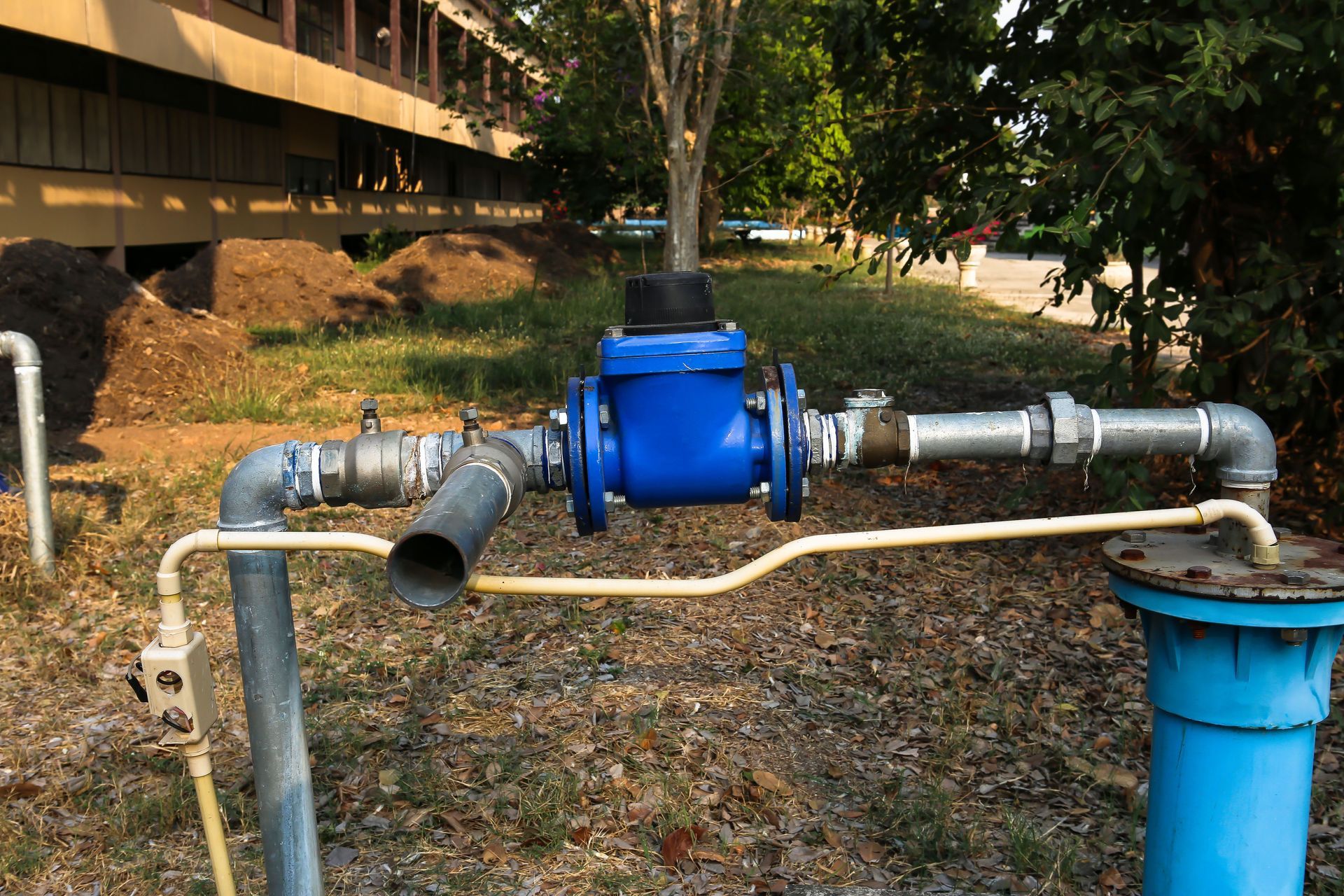
Each water well pump relies on essential components such as the motor, impeller, pressure switch, and check valve to function effectively. When water pressure drops, the system activates and moves water through the pipes to your home. Understanding how these parts work together helps homeowners recognize early warning signs like reduced pressure or inconsistent flow. Becoming familiar with these fundamentals allows for quicker troubleshooting and more effective long-term maintenance.
Perform Routine System Inspections
Regular inspections play a key role in preserving the performance of a water well pump. Scheduling annual evaluations helps identify minor concerns before they escalate into costly repairs. During an inspection, it is important to assess the pump’s physical condition, review electrical connections, and confirm consistent water output. Inspections provide an opportunity to test the pressure switch and verify that all safety mechanisms are functioning properly. Establishing a routine inspection schedule reduces the likelihood of unexpected system failures and promotes long-term reliability.
Close attention should be given to signs of wear, corrosion, or loose wiring within the system. Electrical components must remain secure and properly insulated to ensure safe operation. Monitoring water flow and clarity can reveal hidden issues such as sediment buildup or internal damage. Checking for unusual sounds or vibrations can help detect problems before they worsen. Addressing these warning signs early allows the water well pump to maintain steady performance while minimizing interruptions to your water supply.
Clean and Disinfect the Pump System
Keeping your well pump clean is essential for maintaining both efficiency and the quality of your water supply. Before starting any cleaning procedure, it is crucial to power down the system and secure all electrical connections to prevent accidents. Debris, sediment, and mineral buildup can accumulate over time, reducing the pump’s efficiency and causing strain on its components. Flushing the system thoroughly removes these materials, while using pump-safe cleaning solutions ensures that no harmful chemicals enter the water supply. Proper cleaning not only supports optimal performance but also helps extend the lifespan of the water well pump and prevents costly repairs.
Disinfection is a critical step for safeguarding against bacteria, algae, and other microbial growth that can affect water quality. The well screen, piping, and internal components should be cleaned meticulously to prevent clogging and ensure smooth water flow. According to the Environmental Protection Agency, around 23 million households in the United States rely on private wells for drinking water, emphasizing the importance of maintaining a sanitary system. Implementing a consistent cleaning and disinfection schedule protects both the well pump and the health of everyone who depends on it. Regular attention to these practices ensures a reliable, safe water supply and prevents long-term damage to the system.
Maintain the Surrounding Well Environment
The condition of the area surrounding your water well pump plays a critical role in both its performance and long-term durability. A well-protected and properly sealed wellhead keeps out debris, small animals, and potential contaminants, ensuring that the water supply remains clean and safe. Regular inspections of the wellhead, including caps, seals, and protective covers, help identify wear or damage before it becomes a problem. Keeping the surrounding area clear and easily accessible not only simplifies routine maintenance but also reduces the risk of accidental impacts or damage from equipment or foot traffic near the well.
Managing vegetation and other environmental factors around the well is equally important for system health. Overgrown shrubs, tree roots, or dense ground cover can obstruct proper airflow, interfere with underground piping, or even penetrate structural components of the system. Limiting the use of fertilizers, pesticides, and other chemicals near the well protects against contamination that could compromise water quality. Additionally, implementing proper insulation and other protective measures during colder months safeguards pipes and the pump itself from freezing, preventing costly damage and ensuring that the well pump continues to operate efficiently throughout the year.
Troubleshoot Common Pump Issues
Even a well-maintained water well pump may occasionally encounter operational problems that disrupt performance and efficiency. Low water pressure is one of the most common issues and can result from clogged filters, leaks, or pressure switch malfunctions. In some cases, mineral buildup within pipes or a partially blocked well screen can further restrict water flow and reduce output. Identifying the root cause requires a systematic review of the system’s components, including pressure levels, valves, and visible connections. Prompt attention to these issues helps restore normal function, improve efficiency, and prevent further damage to the well pump.
Other concerns, such as rapid cycling, unusual noises, or air in the water lines, can signal deeper mechanical or structural problems within the well pump system. Short cycling may indicate pressure tank issues, while grinding or rattling sounds can point to worn internal parts or loose fittings. Air entering the lines often suggests leaks or failing seals that need immediate attention. These issues often stem from aging components or imbalances within the system that develop over time. Addressing them early reduces strain on the well pump, supports consistent water delivery, and helps avoid costly, large-scale repairs.
Know When to Call a Professional
There are situations where professional assistance is necessary to protect the integrity of your water well pump. Persistent pressure loss, electrical failures, or a complete lack of water supply indicate issues that require expert evaluation. Professional technicians have the tools and experience needed to diagnose complex problems and restore system functionality safely. Routine servicing by a qualified specialist can prevent recurring issues and extend the life of your equipment.
Deciding between repair and replacement depends on the condition and age of the system. Frequent breakdowns or declining efficiency may indicate that upgrading the well pump is a more cost-effective solution. Planning for future maintenance and budgeting for repairs helps homeowners stay prepared for unexpected issues. Working with experienced professionals ensures that your system continues to operate at peak performance.
Proper care and consistent maintenance are essential for ensuring that your well pump delivers reliable performance for years to come. By understanding how the system works, performing regular inspections, and addressing issues promptly, homeowners can protect their investment and maintain a steady water supply.
When expert assistance is needed, working with a knowledgeable team makes all the difference. At Hunter's Valley Services LLC, we are ready to help you maintain, repair, or upgrade your system. Contact us today to keep your water well pump operating at its best.