January 30, 2026
Access to clean, reliable water is something most homeowners take for granted—until it becomes uncertain or expensive. As municipal water rates rise and infrastructure ages, many property owners are beginning to ask whether private water systems are a smarter long-term solution. At the center of that decision are well pumps, which play a critical role in delivering groundwater from beneath your property directly into your home. Understanding how these systems work, what they cost, and what benefits they offer is essential before deciding if they are worth the investment.
Private wells are not a new concept, but renewed interest has emerged as homeowners look for more control over utilities, resilience during outages, and potential long-term savings. While the upfront costs can be significant, a properly designed system with dependable well pumps can offer decades of service.
Understand How Private Well Pumps Work
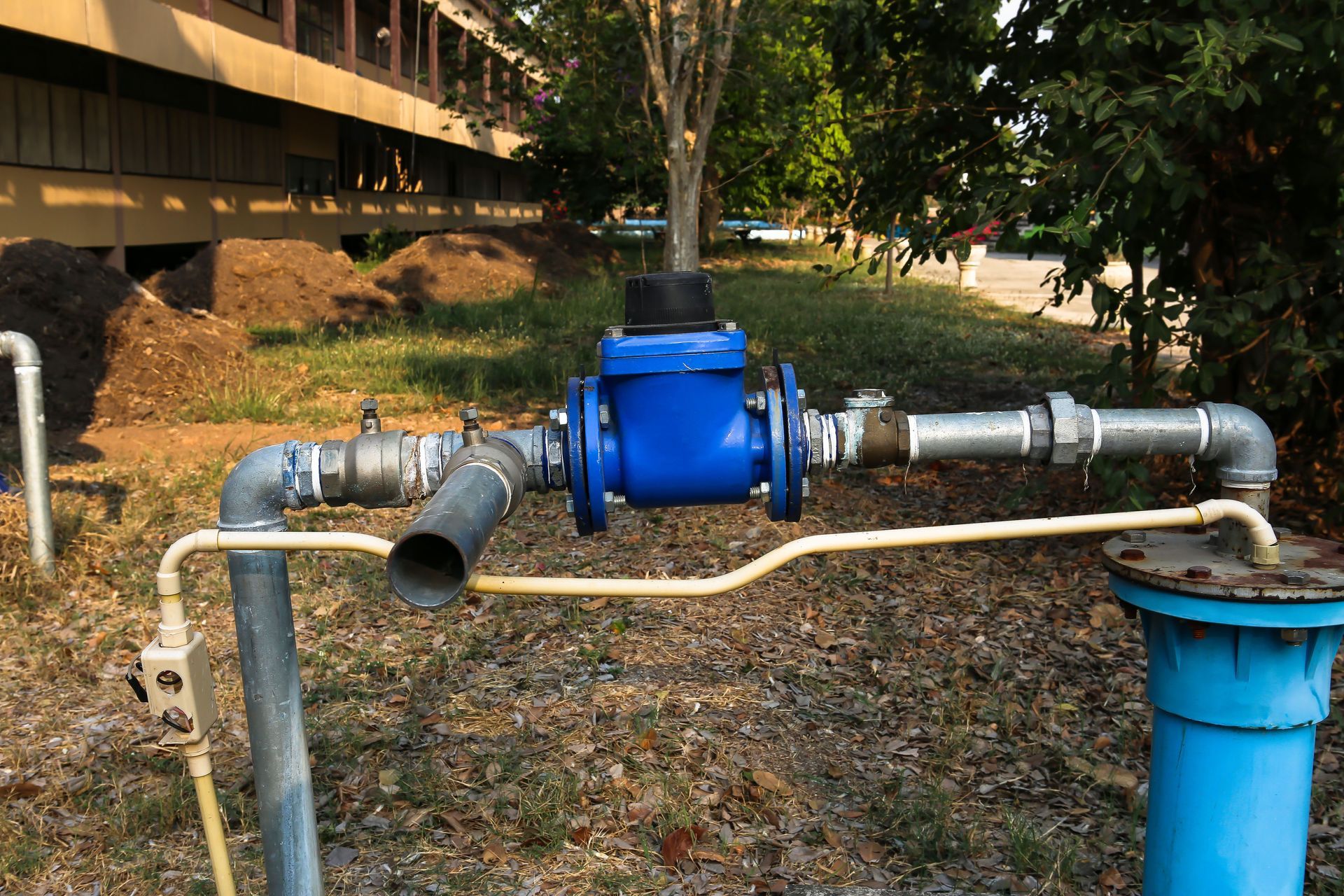
Before evaluating value, it’s important to understand the role well pumps play in a private water system. A well pump is responsible for pulling water from an underground aquifer and delivering it to a pressure tank, where it is then distributed throughout the home. Without a functioning pump, the well itself is essentially unusable.
There are different types of well pumps, most commonly submersible pumps and jet pumps. Submersible pumps sit deep within the well and push water upward, making them efficient and quiet. Jet pumps, on the other hand, are usually installed above ground and pull water up using suction. The type of pump needed depends on well depth, household water demand, and local groundwater conditions.
Modern well pumps are designed to be durable and energy-efficient. We find they often last 10 to 15 years, or even more with proper maintenance. Choosing the right pump from the beginning is crucial, as it directly affects water pressure, energy consumption, and long-term reliability.
Evaluate the Long-Term Cost Benefits
One of the biggest reasons homeowners consider private well systems is cost. While municipal water bills may seem manageable month to month, they add up over time. Installing well pumps involves upfront expenses, including drilling, equipment, and labor, but ongoing costs are typically lower.
Once installed, a private well system eliminates monthly water bills entirely. Homeowners are only responsible for electricity to run the pump and periodic maintenance. Over the course of several decades, these savings can offset the initial investment, particularly for households with high water usage.
Additionally, municipal water rates are not static. As infrastructure ages, utilities often raise rates to cover repairs and upgrades. According to the Environmental Protection Agency, it is estimated that $625 billion will need to be invested over the next 20 years to upgrade and maintain drinking water infrastructure in the U.S. Those costs are frequently passed on to consumers, making private systems with dependable well pumps an increasingly attractive alternative.
Compare Water Quality and Control
Water quality is another major factor when deciding whether private wells are worthwhile. Municipal water is treated to meet regulatory standards, but treatment methods often involve chemicals such as chlorine. Some homeowners prefer the natural taste and composition of groundwater.
With private wells, homeowners have full control over testing and treatment. If issues such as iron, sediment, or hardness are present, targeted filtration systems can be installed. Well pumps deliver water directly from the source, allowing homeowners to tailor treatment to their specific needs rather than relying on a one-size-fits-all municipal approach.
This level of control can be especially valuable in rural or semi-rural areas where groundwater quality is known to be high. Regular testing ensures safety, and many homeowners find peace of mind in knowing exactly where their water comes from and how it is managed.
Consider Reliability During Emergencies
Reliability is often overlooked until something goes wrong. Municipal water systems depend on extensive infrastructure, including treatment plants, pipelines, and pumping stations. When any part of that system fails, service interruptions can occur.
Private wells equipped with modern well pumps can offer increased reliability, especially when paired with backup power solutions such as generators. During power outages or natural disasters, municipal systems may experience boil advisories or service disruptions, while a private well can continue operating if power is maintained.
For homeowners who value self-sufficiency, this reliability is a significant advantage. Knowing that your household water supply is not dependent on external systems can provide confidence during emergencies and unexpected events.
Analyze Maintenance and Responsibility
Owning a private well does come with responsibilities. Unlike municipal water, where maintenance is handled by the utility provider, private well owners are responsible for their own systems. This includes routine inspections, water testing, and servicing well pumps when needed.
However, maintenance is generally predictable and manageable. Annual inspections help identify minor issues before they become major problems. Many well pumps operate for years without issue, and when repairs are needed, addressing them promptly can extend the system’s lifespan.
For homeowners comfortable with proactive maintenance, this responsibility is often seen as a fair trade-off for long-term savings and independence. Working with experienced professionals ensures that maintenance tasks are handled correctly and efficiently.
Assess Property Value Impacts
The presence of a private well can influence property value in different ways depending on location and buyer preferences. In rural areas, private wells are often expected and may even be considered a benefit. In suburban settings, buyers may appreciate the cost savings and independence associated with well pumps.
A well-maintained system with documented inspections and water quality tests can be a strong selling point. It demonstrates that the water supply is reliable and responsibly managed. Conversely, neglected systems or outdated equipment can raise concerns for potential buyers.
Investing in quality well pumps and keeping thorough maintenance records can help protect and even enhance property value over time.
Factor in Environmental Considerations
Environmental impact is another important aspect of the decision. Private wells draw water directly from local aquifers, reducing the need for extensive treatment and long-distance distribution. This can lower the overall energy footprint associated with water use.
Efficient well pumps are designed to minimize energy consumption while delivering consistent water pressure. Advances in pump technology have made modern systems more environmentally friendly than ever before.
Additionally, using groundwater responsibly encourages awareness of local water resources. Many homeowners become more mindful of conservation when they directly manage their own supply, leading to more sustainable water use habits.
Weigh Suitability Based on Location
Not every property is suitable for a private well. Local geology, water table depth, and regulations all play a role in feasibility. In some areas, drilling costs may be higher, or water quality may require additional treatment.
Professional assessments help determine whether installing well pumps is practical and cost-effective for a specific location. Soil testing, water yield analysis, and local code compliance are all essential steps before moving forward.
When conditions are favorable, private wells can be an excellent investment. When they are not, municipal water may remain the better option. Understanding these factors upfront prevents costly surprises later.
Private well systems are not just about water—they are about control, resilience, and long-term planning. As infrastructure challenges grow nationwide and homeowners look for smarter investments, private wells deserve serious consideration.
If you are exploring whether
well pumps are the right solution for your property, working with experienced professionals makes all the difference. From site evaluation to installation and maintenance, expert guidance ensures your system is designed for reliability and efficiency.
For homeowners ready to take control of their water supply, Hunter's Valley Services LLC offers trusted expertise and personalized solutions. Contact them today to learn how a professionally installed well pump system can support your home for decades to come.